+91 98208 89783 Mulund, Mumbai · Online across India
MidBrain–ThirdEye Activation Center

All about Midbrain Activation

Understand the brain. Unlock its potential.

What the brain is capable of, how it learns, what the midbrain really does — and how our 2-day workshop uses simple, science-informed activities to build focus, memory, creativity and confidence.

Your brain at a glance

An amazing organ that never stops learning

86 billion

neurons (nerve cells) in the human brain

2%

of body weight — yet it uses about 20% of our energy

90%

of adult brain size is reached by about age 6

25 yrs

roughly when the brain’s planning centre finishes maturing

01

The power within: your brain can change

For a long time people believed the brain was “fixed” after childhood. Today we know that is not true.

Scientists call it neuroplasticity — the brain’s ability to build new connections and strengthen the ones we use often. Every time we practise something, the pathway for that skill gets stronger, a bit like a footpath that becomes clearer the more people walk on it.

Just like a muscle, the brain grows stronger with exercise. Activities that challenge attention, memory, imagination and movement help it develop — and the earlier we start, the easier it is.

In simple words: what we practise, we become better at. The brain rewires itself around our habits.
Glowing brain illustration
02

Two hemispheres, one team

The brain has two halves, or hemispheres. Each is a little better at certain jobs. For most people, the left side leads in language, logic, sequence and detail, while the right side leads in recognising faces, spatial awareness, images, patterns and the “big picture”.

But the two halves never work alone. They talk constantly through the corpus callosum — a thick bridge of about 200 million nerve fibres. Reading a story, for example, uses words (more left-sided) and imagination and emotion (more right-sided) at the same time.

Schooling often focuses on reading, writing and calculating, while imagination, visualisation and intuition get less practice. Our workshop gives both sides a balanced workout, so children think logically and creatively.

The goal is not a “left-brained” or “right-brained” child — it is a whole-brained child.

Left brain (logic) and right brain (creativity) working together as one team LEFT BRAIN Logic · Language · Detail RIGHT BRAIN Images · Intuition · Creativity BOTH HALVES · ONE TEAM
03

The midbrain — what it really does

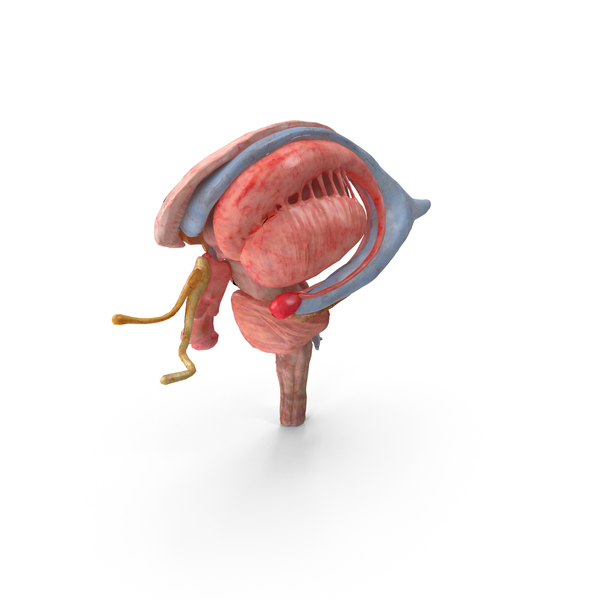
The midbrain is a small but busy part of the brainstem, sitting deep in the centre of the brain. It acts like a relay and alert station, quickly passing information from our eyes and ears to the rest of the brain and helping us react, focus and move.

Because it is so involved in alertness, attention and the senses, it gives our programme its name. Midbrain Activation aims to sharpen exactly these abilities: noticing, listening, focusing and responding — supported by a calm, motivated state of mind.

Location of the midbrain in the human brain

Inside the midbrain

Five everyday jobs of the midbrain

Seeing & noticing

The superior colliculus helps us turn our eyes and attention towards something that moves or appears suddenly.

Hearing & locating sound

The inferior colliculus processes sound and helps us tell where a sound is coming from.

Alertness

Part of the brain’s “wake-up” network (the reticular activating system) runs through the brainstem, keeping us alert and focused.

Motivation & reward

Midbrain areas produce dopamine, the chemical messenger linked with motivation, reward and the joy of learning.

Smooth movement

It helps coordinate movement and posture — one reason balance and body-movement games are part of the workshop.

04

What is Midbrain Activation?

Midbrain Activation is a fun, activity-based training programme that helps children and adults use their brain in a more balanced, focused and confident way.

Over two days, participants move between music, play, movement, eye exercises, visualisation, relaxation and meditation. Together, these activities train attention, sensory awareness, memory, imagination and emotional calm.

A signature part of the workshop is blindfold activities. With their eyes covered, participants learn to rely on their other senses, deep concentration and intuition — for example identifying colours, objects or cards. Many parents describe these moments as the most amazing part of the workshop.

Every child is different: some show remarkable changes quickly, others gradually with practice.

Meditation
05

How is the midbrain activated?

A carefully crafted, joyful process — and each activity has a reason behind it.

Music

Rhythm and music engage hearing, memory and emotion together. Children who receive music training show measurable changes in brain areas for hearing and movement.

Games

Play keeps children motivated — and a motivated brain releases dopamine, which helps new learning stick.

Dancing

Moving to music combines rhythm, balance, coordination and memory in one joyful activity.

Brain Gym

Cross-body movements (like touching the right hand to the left knee) get both sides of the body working as a team. Physical activity is linked with better attention in children.

Eye Gym

Simple eye-tracking and focusing exercises train visual attention and concentration.

Motivational visuals

Inspiring stories and images build positive thinking and self-belief — powerful fuel for learning.

Meditation

Even a few days of guided meditation has been shown to improve attention. Regular practice is linked with changes in brain regions for learning and memory.

Relaxation

A calm brain learns better. Long-term stress can harm memory, while relaxation lets the mind absorb and remember.

06

Why childhood is the golden window

A child’s brain is the most adaptable it will ever be. In the early years it forms new connections at an incredible speed. Then, through childhood and the teenage years, it keeps the connections that are used often and gently removes the ones that are not — scientists call this “use it or lose it”.

That is why the skills a child practises between roughly 5 and 16 years — focus, memory, imagination, calmness and confidence — can shape how they learn for life. The brain’s planning and self-control centre (the prefrontal cortex) keeps maturing until the mid-twenties, so teenagers and adults benefit too.

The workshop journey

Day 1

Relax, play & discover

Introduction to the brain, music, games, Brain Gym, Eye Gym and guided meditation. Children settle into a calm, happy and focused state.

Day 2

Sense, focus & believe

Deeper relaxation and visualisation, sensory and blindfold activities, and confidence-building — with parents invited to see their child’s progress.

30 days

Practise at home

A short daily practice routine keeps the new skills growing. Like any skill, regular practice is what makes the change last.

Review

Follow-up & guidance

A review session with the trainer to check progress, answer questions and guide the next steps.

What science says

The research behind our approach

Our activities draw on well-studied ideas about how the brain learns. Here are some of the findings that inspire them.

01

Brains change with practice

Adults who practised juggling for three months showed growth in brain areas that process visual motion — which reduced again when they stopped.

Draganski et al., Nature, 2004

02

Memory grows with use

London taxi drivers, who memorise thousands of streets, had a larger rear hippocampus — a key memory area — than non-drivers.

Maguire et al., PNAS, 2000

03

Meditation reshapes the brain

An 8-week mindfulness programme was linked with increased grey-matter density in areas for learning, memory and emotional control.

Hölzel et al., Psychiatry Research: Neuroimaging, 2011

04

A few days make a difference

Just four short sessions of meditation training improved attention and working memory in beginners.

Zeidan et al., Consciousness and Cognition, 2010

05

Children’s focus can be trained

A review of programmes for children aged 4–12 found that activities like mindfulness, martial arts and focused play improved attention and self-control.

Diamond & Lee, Science, 2011

06

Music shapes young brains

Children who took 15 months of music lessons showed brain changes in hearing and movement areas, along with better finger-movement and listening skills.

Hyde et al., Journal of Neuroscience, 2009

07

Movement boosts thinking

Regular physical activity is associated with better attention, memory and academic performance in children.

Hillman, Erickson & Kramer, Nature Reviews Neuroscience, 2008

Midbrain Activation is an educational and wellbeing programme, not a medical treatment. The studies above support the individual activities we use — practice, meditation, music, movement and play. Results from the workshop vary from person to person.

Chat with us
Call WhatsApp Book